Getting Lost on Purpose
The art of wandering without a plan leads to the best destinations. When the map fails, the road opens up. A quiet journey through uncertainty, unexpected stops, and the realization that sometimes getting lost is the only way to truly arrive.
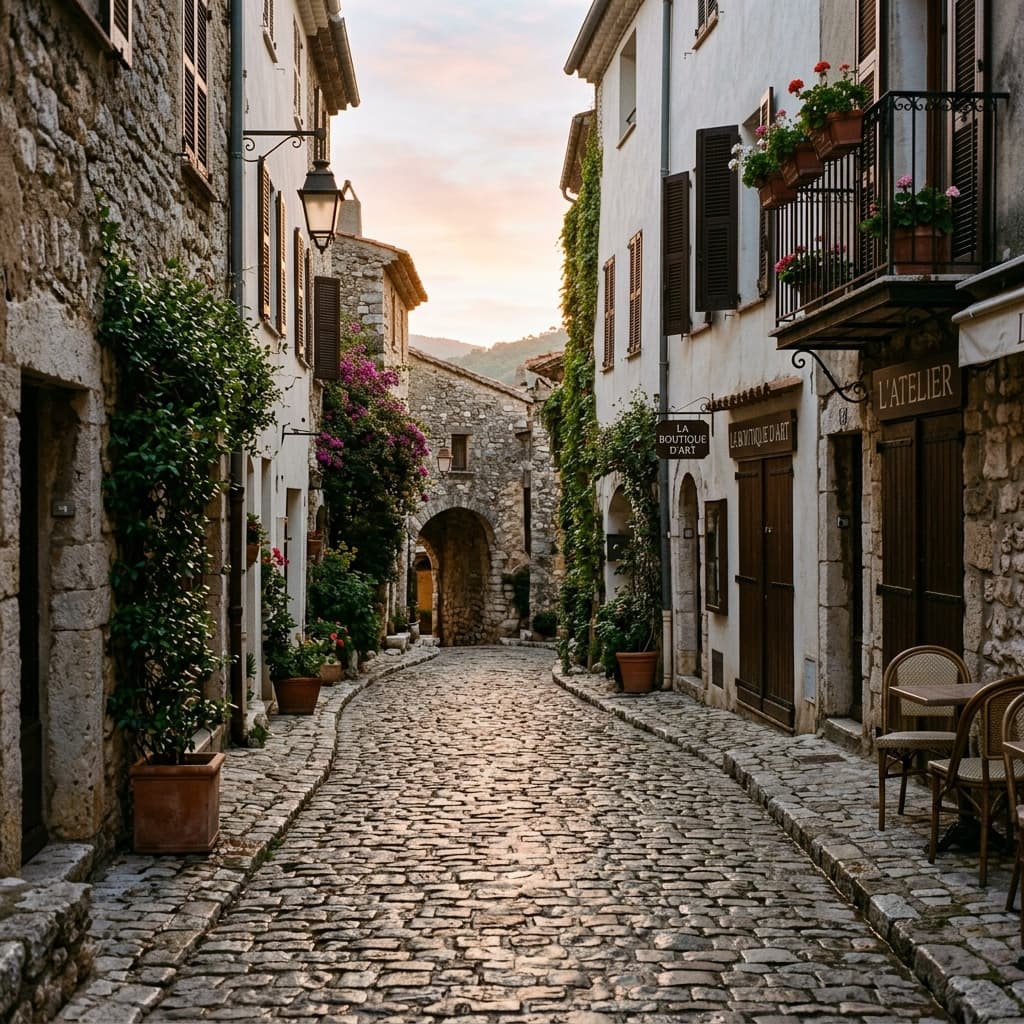
Getting Lost on Purpose
I left without a destination.
Not in a dramatic way. No declaration, no sudden decision to abandon structure. Just a quiet choice, made sometime between waking up and stepping outside—that today, I wouldn’t follow a map.
No routes saved.
No places pinned.
No expectations to arrive anywhere specific.
Just movement.
It felt unfamiliar at first. Almost irresponsible. Travel, even the slow kind, usually carries some intention—a place to reach, something to see, a reason to go. Without that, the act of leaving felt incomplete, like starting a sentence without knowing how it would end.
But I left anyway.
The morning was still soft when I stepped out. The kind of light that doesn’t rush you. Streets were beginning to fill, but not yet crowded. Shops were opening halfway, conversations just beginning to form.
I walked without thinking too much about direction.
Left felt as good as right.
So I turned left.
There was no reason for it. No instinct, no hidden logic. Just the absence of a plan.
At first, my body resisted.
It kept searching for structure—looking for signs, familiar landmarks, anything that could anchor the movement. It wanted confirmation that I was heading somewhere meaningful.
But there was none.
And slowly, that need began to fade.
The Habit of Knowing Where You’re Going
We’re used to knowing.
Maps have trained us well. A blue dot, a clear line, an estimated time of arrival. We move with certainty, rarely questioning the path because it’s already been decided for us.
It’s efficient.
But it’s also limiting.
When you know exactly where you’re going, you stop noticing the spaces in between. The journey becomes a sequence of steps, not an experience in itself.
Today, I wanted something else.
Not chaos. Not confusion.
Just openness.
The First Hour
The first hour of wandering is always the hardest.
Your mind keeps asking questions:
Where are you going?
What’s the point of this?
Shouldn’t you at least have a direction?
I didn’t answer them.
I just kept walking.
The streets shifted slowly. Wide roads turned into narrower ones. The rhythm of the place changed without announcement. A busy intersection gave way to a quieter lane, then to something that barely felt like a road at all.
I noticed things I would normally ignore.
A wall with fading paint that revealed older colors beneath.
A shopkeeper arranging items with quiet precision.
A dog sleeping in the exact center of the path, undisturbed by movement around it.
None of it demanded attention.
But without a destination pulling me forward, I had the space to notice.
Choosing Without Reason
At every turn, there was a decision.
Left or right.
Continue or stop.
Follow the crowd or step away from it.
Usually, these choices are guided by purpose.
Today, they weren’t.
So I made them lightly.
If a street looked quieter, I took it.
If something felt interesting, I followed it.
If nothing stood out, I chose at random.
It wasn’t about finding something.
It was about allowing something to find me.
A Place That Wasn’t Meant to Be Found
Somewhere along the way, I arrived at a place I wouldn’t have chosen.
A small open space between buildings. Not quite a park, not quite a street. Just an in-between area where time seemed to move differently.
There were a few benches, unevenly placed. A tree that provided more shade than it seemed capable of. A couple of people sitting quietly, not interacting, but not isolated either.
I sat down.
No reason.
No expectation.
Just because it was there.
Minutes passed. Or maybe more. I didn’t check.
Without a plan, time becomes harder to measure. It stretches in some places, compresses in others. It stops behaving predictably.
And in that unpredictability, there’s a kind of freedom.
The Absence of Urgency
Usually, travel carries a subtle pressure.
To see more.
To do more.
To make the most of it.
Even slow travel isn’t entirely free from this.
But today, there was nothing to optimize.
No checklist.
No timeline.
No need to justify the movement.
I could stay as long as I wanted.
Or leave whenever I felt like it.
Both choices were equally valid.
Getting Comfortable With Not Knowing
After a while, something changed.
The questions stopped.
Not because they were answered, but because they no longer felt necessary.
I didn’t need to know where I was.
I didn’t need to know where I was going.
The act of moving was enough.
There’s a quiet shift that happens when you let go of direction.
You stop measuring progress.
You stop comparing where you are to where you could be.
You start existing in the present, without trying to shape it into something else.
The Unexpected Encounters
Without a plan, encounters feel different.
They aren’t interruptions.
They aren’t scheduled.
They just happen.
A small café I hadn’t noticed before.
A conversation overheard but not understood.
A street performer practicing without an audience.
None of it felt like a destination.
But all of it felt like part of the day.
I stopped at the café.
Not because it was recommended. Not because it looked special.
Just because I was there.
The coffee was average.
The moment wasn’t.
Losing Track
At some point, I realized I didn’t know how to get back.
Not precisely.
I had a general sense of direction. A vague awareness of where I had started.
But no clear route.
And surprisingly, that didn’t feel like a problem.
If anything, it felt like a continuation of the choice I had already made.
To not rely on a map.
To not seek certainty.
To trust that I would find my way, eventually.
The Way Back
The return didn’t happen all at once.
There was no clear moment where I decided, Now I’m heading back.
It was gradual.
A shift in direction.
A recognition of something familiar.
A subtle pull toward where I had started.
I followed that.
Not precisely.
But enough.
The path back was different from the one I had taken. It had to be. Without a map, repetition is unlikely. You don’t retrace steps—you create new ones.
And in doing so, the return becomes its own journey.
Not a reversal.
But a continuation.
What Changes When You Don’t Use a Map
You notice more.
Not because the world changes—but because your attention does.
Without instructions guiding you, you look up more often. You listen differently. You become aware of details that don’t fit into directions but matter in their own way.
You move differently.
Slower, sometimes. More deliberately. Or sometimes more freely, without the constraint of staying on the “correct” path.
You think less about arrival.
And more about presence.
The Small Realization
By the time I reached back—back to something familiar, back to where the day had begun—it didn’t feel like I had completed anything.
There was no destination achieved.
No goal reached.
And yet, the day felt full.
Not with events.
But with moments.
Quiet ones. Unremarkable ones. The kind that don’t stand out individually but create something meaningful together.
Why Getting Lost on Purpose Matters
We spend most of our time trying to avoid being lost.
We plan. We prepare. We follow.
And there’s value in that.
But there’s also value in stepping away from it, occasionally.
In allowing space for uncertainty.
For wandering.
For movement without a fixed outcome.
Because when you remove the expectation of arrival, you make room for something else.
Attention.
Presence.
Experience.
The Difference Between Being Lost and Choosing It
Being lost by accident carries tension.
A need to fix it. To correct the mistake. To return to the known.
But getting lost on purpose is different.
It’s a choice.
A quiet agreement with yourself that not knowing is acceptable.
That wandering is enough.
That the day doesn’t need to lead anywhere specific to be meaningful.
In the End
I could have used a map.
I could have chosen a place, followed a route, completed a plan.
It would have been easier.
More predictable.
More efficient.
But it wouldn’t have been this.
A day without direction.
A movement without expectation.
A journey that didn’t need to arrive.
And maybe that’s the point.
Not every journey needs a destination.
Some are meant to be experienced as they are.
Uncertain.
Unplanned.
Enough.
Getting lost on purpose isn’t about losing your way.
It’s about finding a different one.
Written by
DevKit
Building production-ready starter kits for developers who ship fast. Creator of DevKit Market.
Comments
Giscus comments will load here.
Configure in .env.local
Keep reading
Related Posts

The Quietest Morning I Remember
A slow morning in an unfamiliar place where time seemed to loosen its grip. Light arrived gently, and the world moved without urgency. With no plans or direction, the day unfolded through quiet moments—soft sounds, empty streets, and stillness that made even the simplest things feel complete.
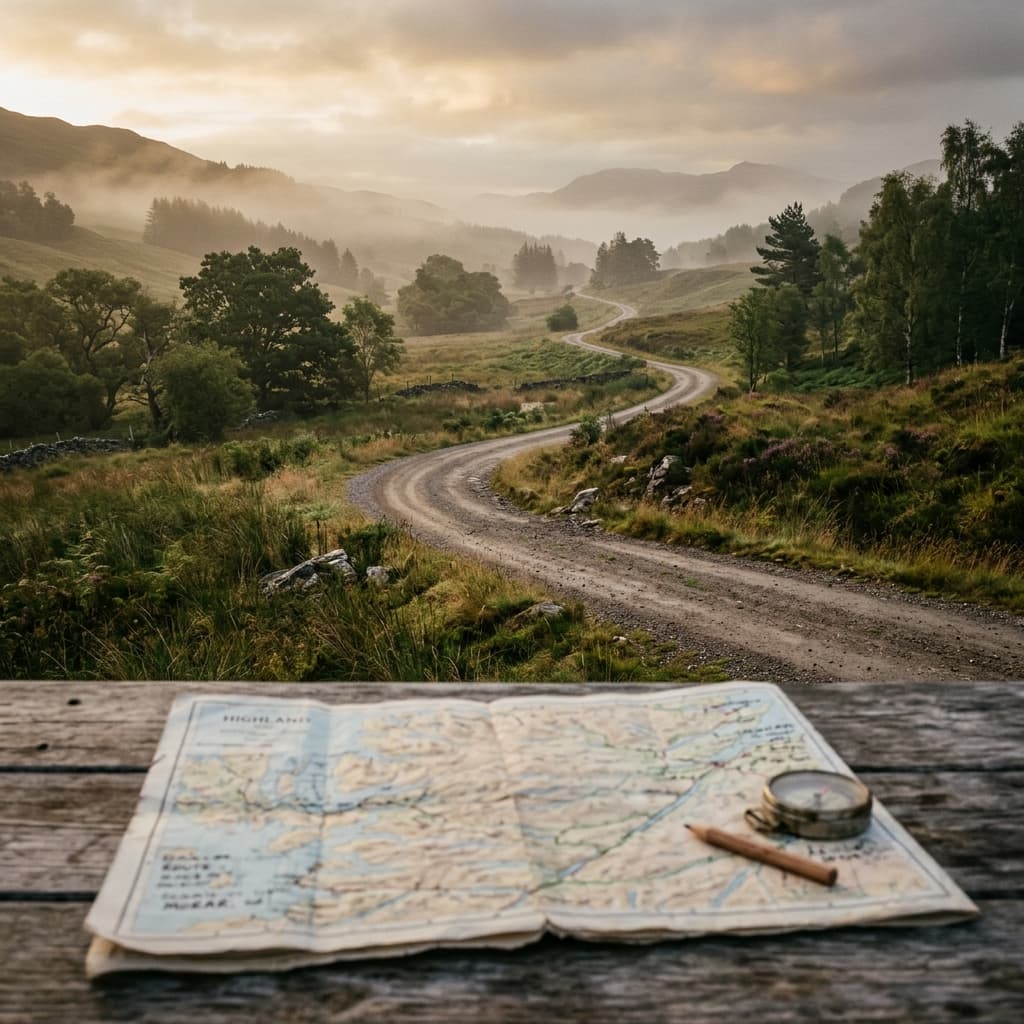
A Map That Didn’t Work
When the map failed, the road opened up. A quiet journey through uncertainty, unexpected stops, and the realization that sometimes getting lost is the only way to truly arrive.
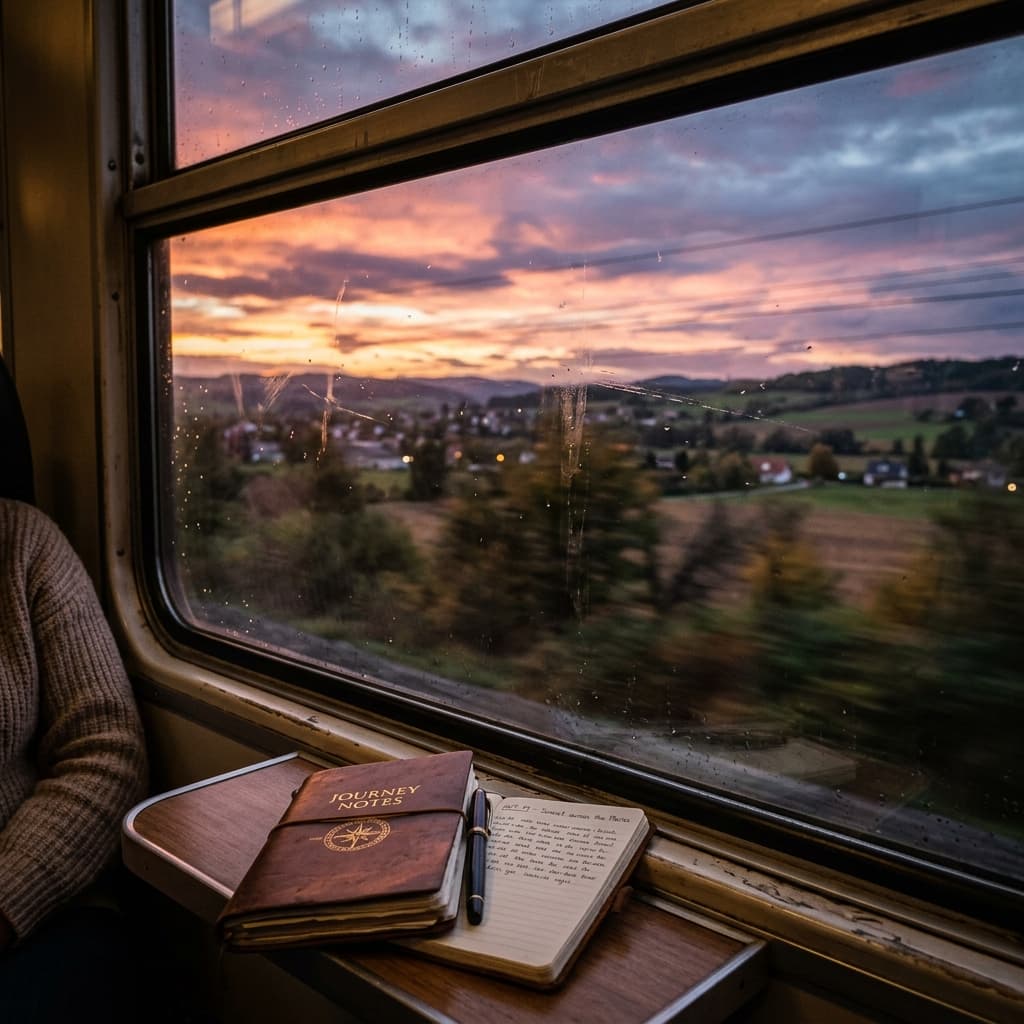
Notes From a Window Seat
Observing the world in motion. A quiet journey of letting go, watching lives unfold from a distance, and finding stillness in the rhythm of movement.