A Map That Didn’t Work
When the map failed, the road opened up. A quiet journey through uncertainty, unexpected stops, and the realization that sometimes getting lost is the only way to truly arrive.
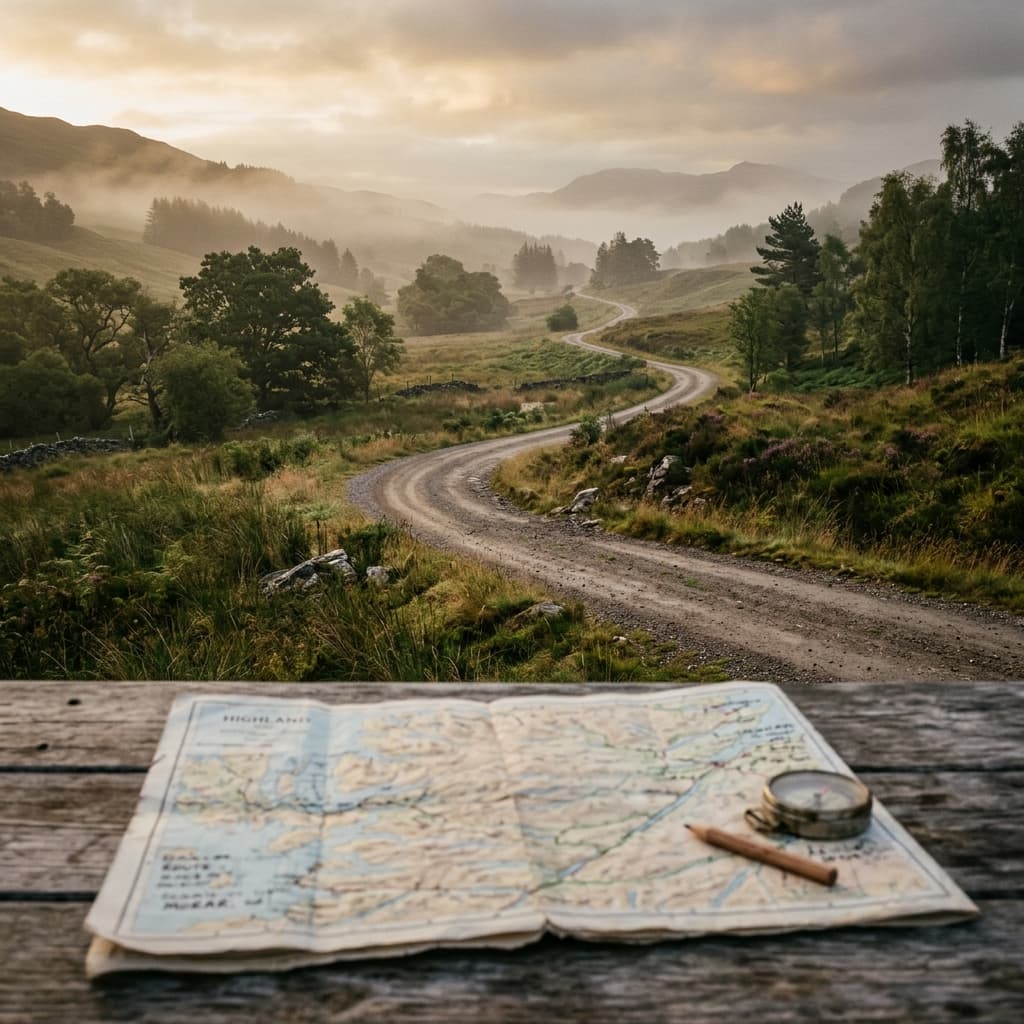
A Map That Didn’t Work
The map was supposed to make things easier.
That’s the quiet promise every map carries—that no matter where you are, you’re never really lost. There’s always a blue dot, a route, a way forward. A reassurance that the world can be understood if you follow the right lines.
I believed that.
It was a short trip. Nothing ambitious. Just a drive to a place I had seen in passing before, somewhere I thought I understood well enough. I had the route saved, the directions ready, and enough confidence to not think twice about it.
The kind of journey that doesn’t require attention—just obedience.
Turn left.
Continue straight.
Take the next right.
Simple.
And for a while, it worked exactly as expected.
The road was familiar at first. Wide, predictable, lined with the usual signs of movement—shops, traffic, people moving with purpose. I followed the instructions without thinking, letting the voice guide me through turns I didn’t need to remember.
It felt efficient. Controlled. Almost effortless.
Until it wasn’t.
The first sign was small.
A delay in the instructions. A slight hesitation before the next direction appeared. Then a recalculation. Then another. The map zoomed out, adjusted itself, and offered a new path with the same quiet confidence.
I didn’t question it.
Why would I?
The road narrowed gradually. The buildings thinned out. Traffic disappeared without announcement. The familiar gave way to something quieter, less defined.
Still, the map insisted.
Continue straight.
So I did.
At some point, I realized I hadn’t seen another vehicle in a while. No shops. No signs. Just a long stretch of road cutting through land that didn’t seem to expect visitors.
The signal dropped briefly, then returned. Then dropped again.
The blue dot froze.
For a moment, everything felt suspended.
I slowed down.
The map tried to recover, but it no longer felt certain. The route line faded, reappeared somewhere else, then disappeared entirely. What remained was just the screen—a blank space with no clear direction.
That’s when the thought arrived.
I might be lost.
It didn’t come with panic at first. Just a quiet awareness. A shift in perspective. The road was no longer something I was passing through—it was something I had to understand.
I pulled over.
There was nothing remarkable about the place. Just a stretch of road bordered by uneven ground, a few scattered trees, and a silence that felt complete.
No network. No directions. No quick way to fix it.
The map, for all its certainty, had nothing left to offer.
For a while, I sat there, considering options.
Turn back?
Wait for signal?
Guess?
Each choice felt equally uncertain.
And then, without fully deciding, I chose the simplest one.
I kept going.
Not because it was the right choice, but because it was a choice.
The road ahead curved gently, as if it had no interest in leading anywhere specific. It didn’t promise a destination. It didn’t offer reassurance. It simply continued.
And for the first time in the journey, I was paying attention.
Every detail felt sharper.
The texture of the road.
The sound of gravel shifting under the tires.
The way the light fell unevenly through the trees.
Without the map, nothing was filtered. Nothing was reduced to instructions.
I was no longer following.
I was noticing.
After a while, the road led into a small village.
It appeared without warning. No signboard, no transition. Just a few houses gathered together, as if they had decided this was enough of a place to stop.
People moved slowly. Not lazily—just without urgency. A man sat outside a house, repairing something with careful focus. A woman walked past carrying vegetables in a cloth bag. A child watched me drive by with quiet curiosity.
I slowed down instinctively.
There was no need to rush here. No expectation that I should be anywhere else.
I stopped near a small shop.
It was barely a shop, really. Just a shaded area with a few items arranged on a wooden surface. Biscuits, water bottles, a few packets of snacks. Enough to serve, not enough to attract.
The person behind the counter looked up as I approached.
“Do you have network here?” I asked.
He smiled slightly, as if he had heard the question many times before.
“Sometimes,” he said.
That didn’t help much.
I showed him the location on my phone. Or at least, where I thought I was.
He looked at it, then looked at me.
“You’re not going there from here,” he said simply.
It wasn’t a warning. Just a fact.
“So how do I get back?” I asked.
He pointed down the road, then added a few turns in words that didn’t feel precise but somehow felt more reliable than the map ever did.
“Go slowly,” he said at the end.
I nodded.
Before leaving, I bought a bottle of water I didn’t really need. Not out of necessity, but out of a quiet acknowledgment of the moment.
Back on the road, I followed his directions.
They weren’t exact. They didn’t need to be.
Turn where the road bends.
Follow until you see the big tree.
Take the smaller path after that.
It was less about accuracy and more about awareness.
And something shifted again.
The need to reach the original destination had faded. It no longer felt important. What mattered was the road I was on, the places it led me through, the way each turn revealed something unexpected.
At one point, I stopped again.
Not because I was unsure, but because I wanted to.
There was a field stretching out beside the road. Open, quiet, uninterrupted. The kind of space that doesn’t ask anything from you.
I stepped out of the car.
The air felt different here—still, but not empty. The kind of stillness that holds sound instead of removing it. A distant bird call. The rustle of wind moving through grass. The faint hum of something far away.
I stood there longer than I planned.
There was no reason to leave.
No next instruction waiting.
Just the moment, complete in itself.
Eventually, I returned to the car and continued.
The road changed again after a while. It widened, became more structured, more connected. Signs appeared. Vehicles passed by. The world I had stepped out of slowly returned.
And with it, the signal.
The map came back to life.
It recalculated, found my location, and offered a new route. A clear, efficient path to where I had originally intended to go.
I looked at it for a moment.
Then I ignored it.
Not out of defiance, but out of understanding.
The journey I had taken—the one without guidance, without certainty—had already given me something the destination couldn’t.
It had given me attention.
It had given me presence.
It had turned a mistake into something meaningful.
By the time I reached a familiar road, I no longer felt lost.
Not because I had found the right direction, but because I had stopped needing one.
The destination still existed, of course. I could have continued toward it, completed the plan, checked it off as something done.
But it no longer felt necessary.
Instead, I turned toward home.
Not the fastest way. Not the most efficient. Just the way that felt right.
As I drove, I thought about the map.
About how easily we trust it. How quickly we hand over decisions, believing that clarity is always better than uncertainty.
And most of the time, it is.
But not always.
Sometimes, the map doesn’t work.
Sometimes, it leads you somewhere unexpected. Somewhere unplanned. Somewhere you didn’t think you needed to go.
And in those moments, there’s a choice.
To fix it.
Or to follow it anyway.
To return to the known.
Or to step into the unknown.
I didn’t make that choice consciously.
I just kept going.
And somewhere along that road—between the uncertainty, the quiet village, the field that asked nothing—I found something I wouldn’t have found otherwise.
Not a place.
But a feeling.
The kind that doesn’t come from arriving, but from being present in the space between.
By the time I got home, the map had long since corrected itself.
It showed a clean route. A simple path. A way that would have taken less time, less effort, less uncertainty.
It looked better on the screen.
But it wasn’t the one I would remember.
Because the best part of the journey was never on the map.
It was in the moments where it stopped working.
Where I had to look up.
Where I had to slow down.
Where I had to trust something other than directions.
A map is useful.
But it doesn’t always know what you need.
And sometimes, when it fails you, it gives you something better than accuracy.
It gives you a story.
A road you didn’t plan.
A place you didn’t expect.
A memory you wouldn’t trade for a perfect route.
The map didn’t work.
And because of that, everything else did.
Written by
DevKit
Building production-ready starter kits for developers who ship fast. Creator of DevKit Market.
Comments
Giscus comments will load here.
Configure in .env.local
Keep reading
Related Posts
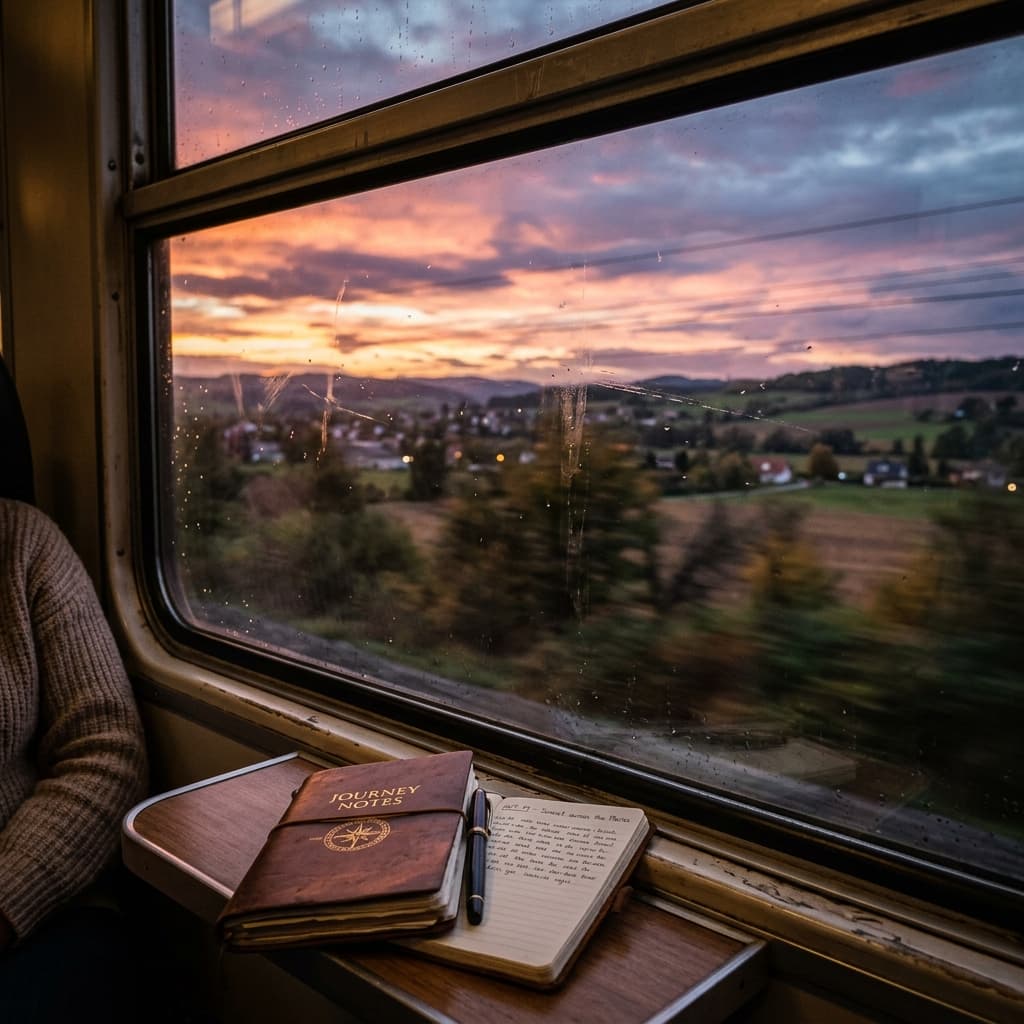
Notes From a Window Seat
Observing the world in motion. A quiet journey of letting go, watching lives unfold from a distance, and finding stillness in the rhythm of movement.
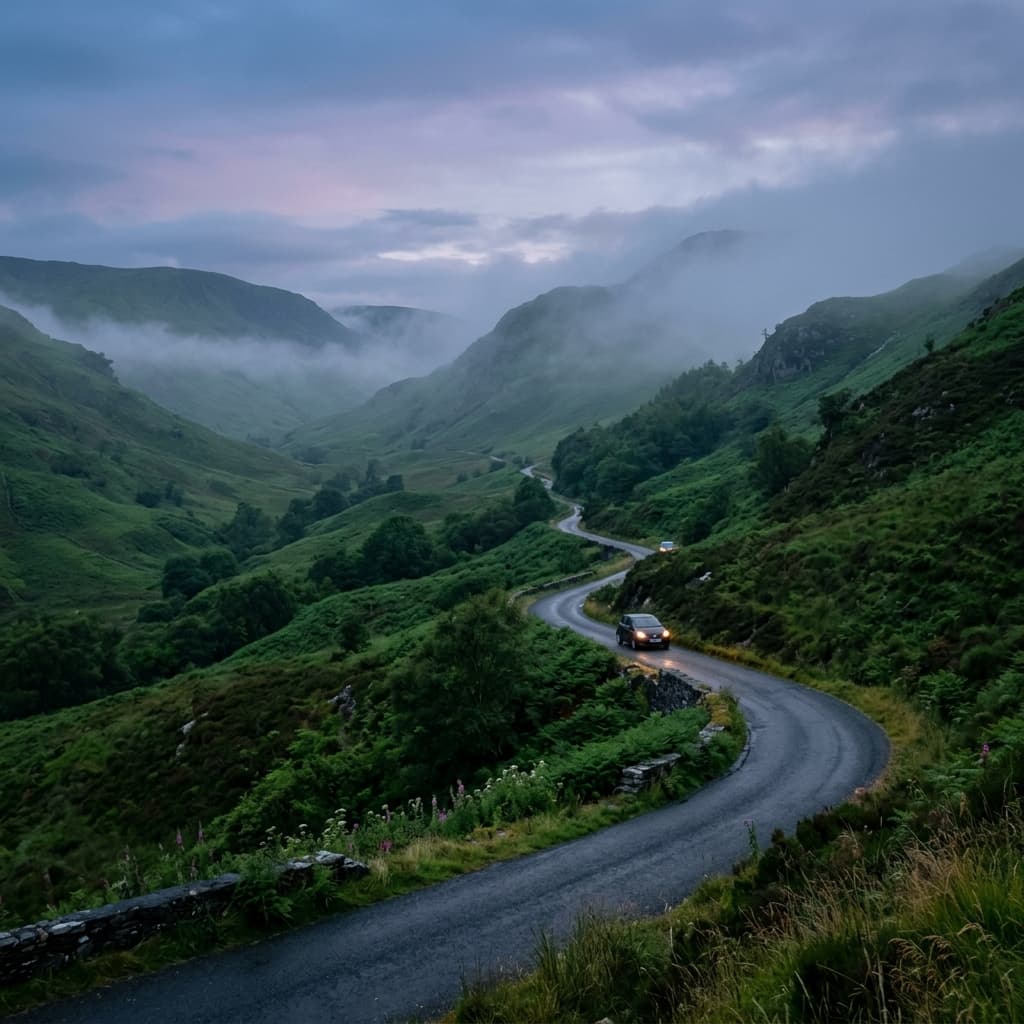
Why detours often become the real destination.
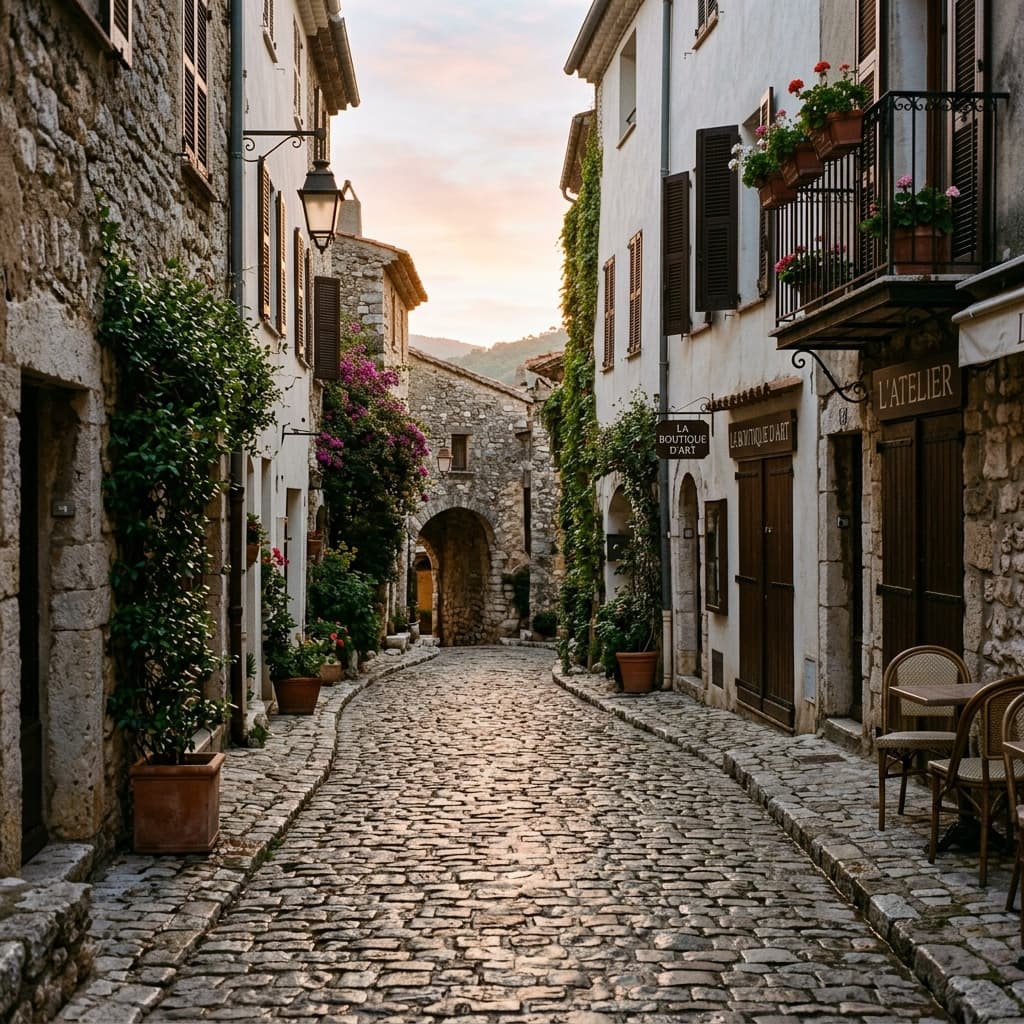
Getting Lost on Purpose
The art of wandering without a plan leads to the best destinations. When the map fails, the road opens up. A quiet journey through uncertainty, unexpected stops, and the realization that sometimes getting lost is the only way to truly arrive.